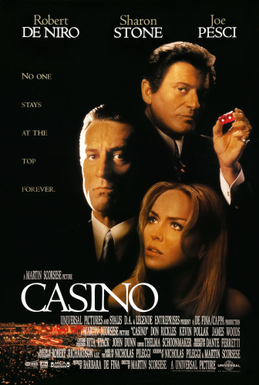
A Deep Dive into *Casino* (1995): Scorsese's Epic Tale of Greed, Power, and Vegas Downfall
Martin Scorsese's *Casino*, released in 1995, stands as a towering achievement in the crime genre, a sprawling and visceral exploration of power, ambition, and the ultimate downfall of those who try to tame the untamable beast of Las Vegas. Starring Robert De Niro, Sharon Stone, and Joe Pesci, this cinematic masterpiece is often hailed as a definitive
gangsterfilm uit 1995, capturing the brutal glamour and inevitable decay of the mob's golden age in Sin City. It delves into the true story behind the shimmering facade of the casinos, revealing the intricate web of organized crime, backroom deals, and personal betrayals that shaped an era.
The film's iconic opening line, "No one stays at the top forever," immediately sets a somber tone, foreshadowing the tragic fates awaiting its central figures. Scorsese, with his signature blend of immersive narration, raw violence, and a meticulously curated soundtrack, paints a vibrant yet volatile picture of 1970s and early 1980s Las Vegas. It's a world where the lines between legitimate business and illicit operations are constantly blurred, where fortunes are made and lost in the blink of an eye, and where loyalty is a fleeting commodity. As a quintessential
gangsterfilm uit 1995, *Casino* not only entertains but also offers a cautionary tale about unchecked ambition and the illusion of control.
The Lure and Lawlessness of 1970s Las Vegas
The narrative of *Casino* is anchored in the vibrant, almost mythic, era of 1970s Las Vegas, a period when organized crime still held significant sway over the city's burgeoning casino industry. Our entry point into this world is through Sam "Ace" Rothstein (Robert De Niro), a brilliant and meticulous handicapper hand-picked by the Chicago Outfit to run the Tangiers Casino. Ace is a calculating, almost robotic figure, whose genius lies in his ability to spot a scam and turn a profit, ensuring the mob's skim from the casino's daily earnings. He represents the "legitimate" face of the operation, striving for order and efficiency amidst the chaos.
However, Ace's carefully constructed world is perpetually threatened by the arrival of his childhood friend, Nicky Santoro (Joe Pesci). Nicky, a notoriously violent and hot-headed enforcer, is sent to Vegas to "protect" Ace and the Outfit's interests. Where Ace seeks to maintain a low profile and operate within a semblance of legality, Nicky thrives on intimidation, brutality, and overt criminal activities. His presence quickly attracts unwanted attention from local authorities, federal agents, and rival mobsters, creating a volatile dynamic that constantly puts Ace's position—and life—in jeopardy. The stark contrast between Ace's methodical approach and Nicky's impulsive savagery forms the backbone of the film's escalating tension. This conflict highlights the inherent struggle within organized crime: the desire for legitimate profits versus the irresistible pull of raw power and violence. It’s a compelling aspect that solidifies its status as a seminal
gangsterfilm uit 1995.
A Trio of Destructive Forces: Ace, Nicky, and Ginger
At the heart of *Casino*'s epic saga are three complex characters whose intertwined destinies create a vortex of ambition, betrayal, and self-destruction. Their individual flaws and desires ultimately lead to their spectacular downfalls.
Sam "Ace" Rothstein: The Calculated Gambler
Ace Rothstein is a fascinating study in control and its ultimate loss. De Niro masterfully portrays Ace as a man whose exceptional skill at gambling translates into an almost obsessive need for order in his casino and his life. He dictates everything from the blueberry muffin count to the timing of cocktail waitresses. Yet, for all his intelligence and foresight, Ace is tragically blind to the human elements that will dismantle his empire. His belief in his own invincibility, coupled with his inability to compromise or adapt emotionally, makes him vulnerable. His ambition, while initially a strength, becomes a rigid prison, preventing him from seeing the dangers posed by both his "friend" Nicky and his wife, Ginger. He represents the paradox of the mob's attempt to sanitize its operations, ultimately proving that even the most calculated plans cannot withstand the corrosive forces of greed and personal demons.
Nicky Santoro: The Volatile Enforcer
Joe Pesci's portrayal of Nicky Santoro is nothing short of terrifying. Nicky is pure id, an unstoppable force of nature fueled by unbridled rage and a thirst for power. While initially sent to Vegas to protect Ace, Nicky quickly carves out his own brutal empire, engaging in robbery, extortion, and murder with chilling efficiency. His loyalty to Ace is genuine, but it's overshadowed by his own savage impulses and a complete disregard for the rules, written or unwritten. Nicky’s brutal methods contrast sharply with Ace’s more understated approach, constantly drawing heat and jeopardizing the entire operation. His character embodies the raw, untamed violence inherent in the mob world, showcasing how unchecked power and a lack of self-control inevitably lead to a bloody end. Nicky’s relentless pursuit of dominance is a key element that makes *Casino* a truly memorable
gangsterfilm uit 1995.
Ginger McKenna: The Tragic Femme Fatale
Sharon Stone delivers an Oscar-nominated performance as Ginger McKenna, a beautiful, captivating, yet deeply troubled hustler. Ginger is Ace's great love and his ultimate undoing. She is a woman trapped by her past, her addiction, and her toxic relationship with her former pimp, Lester Diamond (James Woods). Ace's attempt to "save" her through marriage and lavish gifts proves futile; Ginger cannot be bought or controlled. Her internal struggles, her love-hate relationship with Ace, and her spiraling descent into drug and alcohol abuse make her a tragic figure caught between two worlds. Her erratic behavior and emotional manipulation serve as the catalyst for much of the film's conflict, ultimately tearing apart Ace’s life and providing the final cracks in the mob’s Las Vegas facade. Her character provides a raw, emotional core to this epic crime saga, demonstrating that even amidst the grand schemes of a
gangsterfilm uit 1995, personal relationships can be the most destructive force.
Scorsese's Masterclass: Directing a Modern Classic
Martin Scorsese's *Casino* is more than just a crime story; it's a cinematic spectacle that cements his status as a master filmmaker. With this film, Scorsese returned to the well of organized crime narratives that he had so famously explored in *Goodfellas*, but *Casino* offers a grander, more operatic scale. The film's expansive runtime (nearly three hours) allows for a deep, almost anthropological examination of the Las Vegas mob ecosystem.
Scorsese employs many of his signature stylistic elements:
- Voice-over Narration: Both Ace and Nicky narrate, providing contrasting perspectives that enrich the storytelling and immerse the viewer directly into their minds.
- Dynamic Camera Work: Long, elaborate tracking shots, quick zooms, and rapid-fire editing create a sense of frenetic energy, perfectly mirroring the high stakes and volatile nature of the casino world.
- Iconic Soundtrack: A meticulously curated soundtrack featuring a blend of rock, pop, and blues from the era not only sets the mood but often provides ironic commentary on the unfolding events.
- Brutal Honesty: The violence in *Casino* is unflinching and graphic, never gratuitous, but always serving to underscore the harsh realities and consequences of the characters' choices.
The film is a vivid tapestry of excess, power, and the inevitable price of living outside the law. It explores themes of greed, loyalty, betrayal, and the corruption of the American Dream. Unlike the more intimate feel of *Goodfellas*, *Casino* presents a panoramic view of an empire built on vice and fear, revealing how even seemingly impenetrable structures can crumble from within. It’s a compelling argument for
Casino: Why Martin Scorsese's 1995 Classic Defines the Genre. Scorsese’s direction ensures that this particular
gangsterfilm uit 1995 remains a timeless and essential piece of cinema history.
The Enduring Legacy of *Casino*
More than two decades after its release, *Casino* continues to resonate with audiences and critics alike, holding its place as a quintessential
gangsterfilm uit 1995 and a defining entry in Scorsese's illustrious filmography. Its legacy is multifaceted, touching upon various aspects of filmmaking and cultural commentary.
*
A Historical Record: While dramatized, the film offers a powerful glimpse into a specific era of American history—when organized crime had a firm grip on Las Vegas, before corporate ownership transformed the city. It serves as a stark reminder of the wild, untamed nature of Sin City's past.
*
Performances of a Lifetime: The film is a masterclass in acting. De Niro and Pesci deliver some of their most iconic performances, further solidifying their legendary status. Sharon Stone's raw and vulnerable portrayal of Ginger remains a career highlight.
*
Narrative Depth: The film's intricate plot, exploring not just crime but also the psychological tolls of greed and power, offers endless layers for analysis upon rewatching.
*
Visual and Auditory Feast: From the stunning period costumes and elaborate casino sets to the expertly chosen soundtrack, *Casino* is a feast for the senses, creating an immersive experience that transports the viewer.
For anyone interested in the complex dynamics of organized crime, the allure and dangers of Las Vegas, or simply exceptional filmmaking, *Casino* offers profound insights. It warns against the illusion of control, demonstrating that even the most meticulous plans can unravel when personal failings and external pressures collide. The film teaches us that while power may seem absolute, it is often fleeting, and the consequences of unchecked ambition are always steep. Understanding these themes is crucial to appreciating
Gangster Film Casino: Greed, Power, and Vegas Downfall in its entirety.
In conclusion, *Casino* is far more than just a crime movie; it's an epic tale of the rise and fall of an empire, told through the eyes of its most compelling, yet flawed, characters. As a landmark
gangsterfilm uit 1995, it continues to captivate and provoke, ensuring its place as a true classic of the genre and a testament to the enduring power of Martin Scorsese's vision.