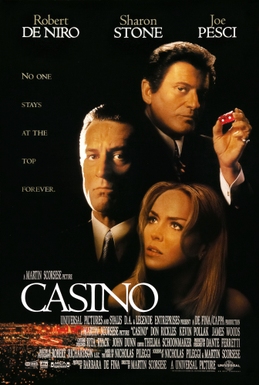
Casino: The Definitive Gangsterfilm Uit 1995 and a Cinematic Masterpiece
When discussing the pantheon of crime dramas, particularly those that meticulously dissect the inner workings of organized crime, Martin Scorsese’s 1995 epic Casino stands as an unparalleled landmark. More than just a film, it’s a sprawling, opulent, and ultimately tragic saga that cemented its status as the quintessential gangsterfilm uit 1995. Starring cinematic titans Robert De Niro, Sharon Stone, and Joe Pesci, Casino offers an unflinching look at the rise and spectacular fall of mob power in Las Vegas, wrapped in Scorsese's signature directorial flair. It’s a film that not only tells a compelling story but also encapsulates an era, making it a timeless benchmark for the genre.
The film transports viewers to the vibrant, high-stakes world of 1970s and early 1980s Las Vegas, where organized crime held a lucrative, if precarious, grip over the city's glittering casinos. At its heart is the complex and volatile relationship between three unforgettable characters: Sam "Ace" Rothstein, the calculating, meticulous mob associate tasked with running the Tangiers casino; Nicky Santoro, his impulsive and violently unpredictable childhood friend, sent to protect the operation; and Ginger McKenna, the beautiful, manipulative, and ultimately tragic ex-prostitute who becomes Ace's wife. Their intertwined fates are a testament to the intoxicating allure and inherent dangers of ambition, greed, and loyalty in a world where the stakes are always life or death.
The Unforgettable Ensemble: De Niro, Stone, and Pesci's Powerhouse Performances
The sheer magnetic force of Casino is largely thanks to its phenomenal cast, particularly the central trio, who deliver some of their most iconic performances under Scorsese's masterful direction.
Robert De Niro as Sam "Ace" Rothstein: The Calculated Kingpin
Robert De Niro, a frequent collaborator with Scorsese, delivers a nuanced portrayal of Sam "Ace" Rothstein, a character loosely based on real-life mob associate Frank Rosenthal. Ace is the embodiment of control and precision, a man whose gambling acumen earns him the nickname "Ace" and whose organizational skills make him indispensable to the mob bosses back in the Midwest. De Niro imbues Ace with a quiet intensity, showcasing his meticulous nature, his uncanny ability to manage a casino without a gaming license, and his eventual descent into paranoia as his meticulously built empire begins to crumble. His performance captures the delicate balance required to navigate the legitimate front of a casino while serving its illicit benefactors.
Sharon Stone as Ginger McKenna: The Seductive Downfall
Sharon Stone's Oscar-nominated performance as Ginger McKenna is nothing short of electrifying. Ginger is a complex, deeply flawed character, a beautiful hustler whose allure is matched only by her self-destructive tendencies. She is the wild card, the unpredictable element that disrupts Ace's perfectly ordered world. Stone brilliantly conveys Ginger's vulnerability, her fierce independence, and her tragic inability to break free from her past, particularly her dependence on her manipulative ex-boyfriend, Lester Diamond. Her tragic arc underscores the film's central theme that no one, no matter how clever or beautiful, stays at the top forever, especially when entangled in the web of Las Vegas's underbelly.
Joe Pesci as Nicky Santoro: The Unleashed Fury
Rounding out the trio is Joe Pesci as Nicky Santoro, a character based on notorious mob enforcer Anthony Spilotro. Pesci, in a performance that recalls and amplifies his turn in Goodfellas, portrays Nicky as a volatile, hyper-violent enforcer whose loyalty to Ace is eventually overshadowed by his insatiable greed and uncontrolled rage. Nicky's brutal efficiency and escalating brutality serve as a stark contrast to Ace's calculated approach, highlighting the inherent conflict between the "business" side of crime and its raw, destructive force. The dynamic between Ace's precision and Nicky's chaos is a central tension that drives much of the film's narrative toward its inevitable, bloody climax.
A Masterclass in Narrative: Scorsese's Signature Style and the Vegas Dream
Martin Scorsese's direction elevates Casino far beyond a simple crime story, transforming it into an operatic exploration of American ambition and corruption. His signature style is on full display:
- Voice-Over Narration: The dual narration by Ace and Nicky provides distinct perspectives, offering insights into their minds and the intricate mechanics of their operations, from skimming profits to orchestrating hits. This narrative device immerses the audience directly into the characters' thoughts and motivations.
- Rapid-Fire Editing and Pacing: Scorsese masterfully controls the film's rhythm, juxtaposing moments of opulent grandeur with sudden bursts of shocking violence. The quick cuts and dynamic camera movements perfectly capture the frenetic energy of Las Vegas and the dangerous lives of its inhabitants.
- Period-Specific Soundtrack: The carefully curated soundtrack is a character in itself, featuring an eclectic mix of classic rock, pop, and blues that grounds the film in its era and enhances its emotional beats. From The Rolling Stones to Dean Martin, the music perfectly underscores the unfolding drama.
- Epic Scope and Visual Grandeur: Casino is a visually stunning film, showcasing the lavish interiors of the casinos, the neon-lit streets, and the vast desert landscapes. The costume design and production design meticulously recreate the look and feel of 1970s and 80s Las Vegas, making it an immersive experience.
The film brilliantly illustrates the seductive allure of the "Vegas Dream"—the promise of limitless wealth and power—and its inevitable transformation into a nightmare. Ace's rise is swift and seemingly unstoppable, but his success attracts unwanted attention, both from law enforcement and from within his own organization. Nicky's uncontrolled violence and Ginger's self-destructive path become cancerous elements that slowly erode Ace's empire. The film paints a vivid picture of a glittering facade covering brutal realities, where loyalty is fleeting, and betrayal is always just around the corner.
Why "Casino" Defines the Genre and Remains a Top Gangsterfilm uit 1995
Casino is not merely a great crime film; it is a definitive statement on the gangster genre, solidifying its place as arguably the most ambitious gangsterfilm uit 1995. Its impact stems from several key aspects:
- Unflinching Realism: Based on Nicholas Pileggi's non-fiction book "Casino: Love and Honor in Las Vegas," the film offers a historically rich, albeit dramatized, account of mob control in Vegas. It delves into the granular details of skimming operations, political corruption, and the violent enforcement tactics, providing a comprehensive education on how the mob operated.
- The End of an Era: Casino captures a pivotal moment in American history—the twilight of the mob's overt control over Las Vegas. It shows how the old-school, brutal methods eventually gave way to corporate ownership, marking the end of an era defined by charismatic kingpins and violent enforcers.
- Character Study over Glorification: While the film's visual style can be intoxicating, Scorsese never truly glorifies the criminal lifestyle. Instead, it’s a profound character study of individuals driven by ambition and consumed by their flaws, ultimately leading to their downfall. The tragic fates of Ace, Nicky, and Ginger serve as a cautionary tale. For a deeper dive into the performances and storyline, read Casino (1995): Robert De Niro, Sharon Stone & Scorsese's Crime Saga.
- Brutal Honesty: The film pulls no punches, depicting violence in its rawest form. This realism, while sometimes difficult to watch, is crucial to understanding the brutal nature of the world these characters inhabit and the ultimate price they pay. To explore the themes of ambition and downfall in greater detail, consider this analysis: Gangster Film Casino: Greed, Power, and Vegas Downfall.
Lessons from the Desert: Insights from Ace's Empire
While Casino is a work of fiction rooted in fact, it offers profound insights that resonate beyond the silver screen:
- The Perils of Unchecked Ambition: Ace's meticulous nature allowed him to rise, but his inability to control those around him, and eventually himself, led to his downfall. It highlights how even the most brilliant strategies can be undone by human ego and emotional entanglements.
- The Corrosive Nature of Greed and Power: The film is a powerful testament to how insatiable greed and the pursuit of absolute power can corrupt everything, destroying relationships, empires, and lives. Nicky's trajectory is a stark reminder of this.
- The Importance of Adaptability (and its limits): Ace tried to adapt to the changing landscape of Las Vegas, seeking to legitimate his operations. However, the deep-seated criminal elements and personal vendettas proved to be insurmountable obstacles, demonstrating that some fundamental flaws cannot be overcome.
- Understanding Human Nature: From Ginger's tragic cycle of addiction and manipulation to Nicky's primal rage, the film dissects the darker aspects of human nature, offering a complex view of loyalty, betrayal, and self-destruction.
Conclusion
Casino endures not just as a monumental gangsterfilm uit 1995 but as a masterclass in epic storytelling, character development, and cinematic artistry. Martin Scorsese’s vision, brought to life by the powerhouse performances of Robert De Niro, Sharon Stone, and Joe Pesci, paints a vibrant yet brutal portrait of Las Vegas in its mob-controlled prime. Its sprawling narrative, unforgettable characters, and unvarnished look at the price of power continue to captivate audiences and inspire filmmakers. Casino remains a powerful, timeless reminder that even in the most glittering of cities, "no one stays at the top forever," and the house, in the end, always wins.